Combining the four dimensions produces 16 unique types. Each type has its own strengths, communication style, and preferred ways of working and living.

ISTPLikes solving problems and doing things their own way, but does not like too much talking or control.

ISFPLikes beauty, peace, and personal freedom, but does not like drama or being forced.

ESTPLikes action, risk, and real experience, but does not like waiting or overthinking.

ESFPLikes fun, attention, and enjoying the moment, but does not like boredom or strict limits.
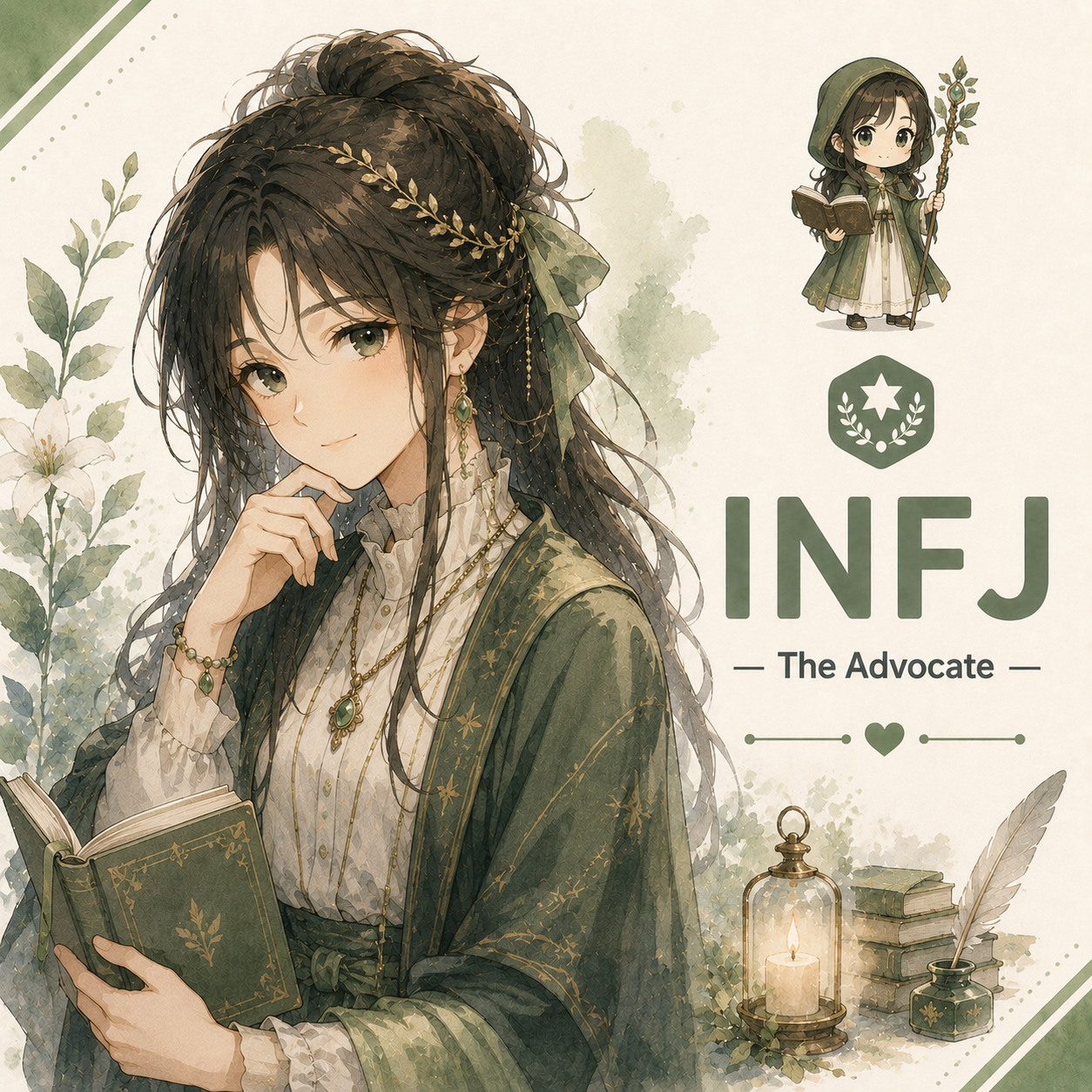
INFJLikes meaning, helping people, and deep talks, but does not like fake behavior or chaos.
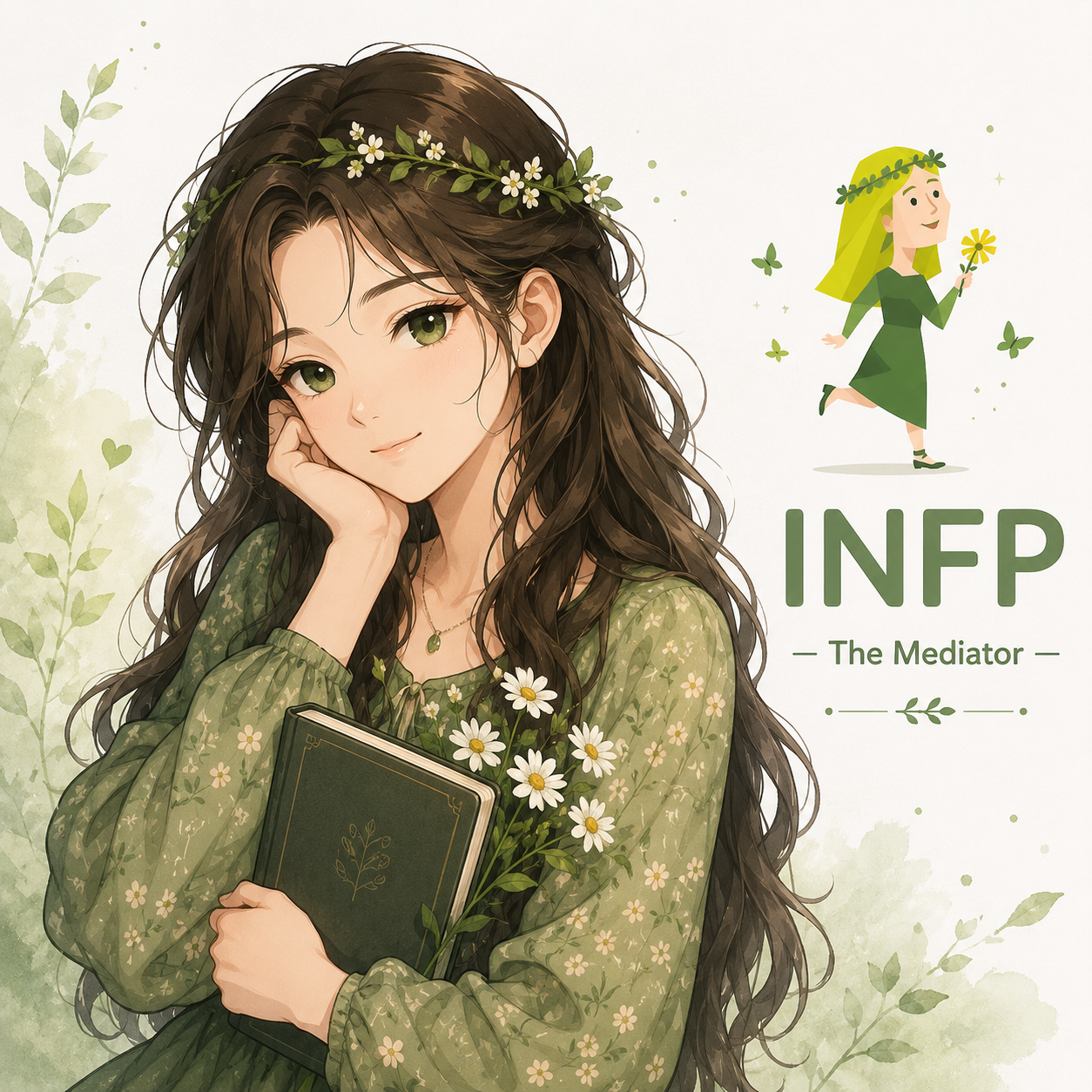
INFPLikes peace, imagination, and personal values, but does not like pressure or harsh criticism.

ENFJLikes supporting people and bringing them together, but does not like coldness or conflict.

ENFPLikes freedom, fun, and new possibilities, but does not like being controlled or stuck.
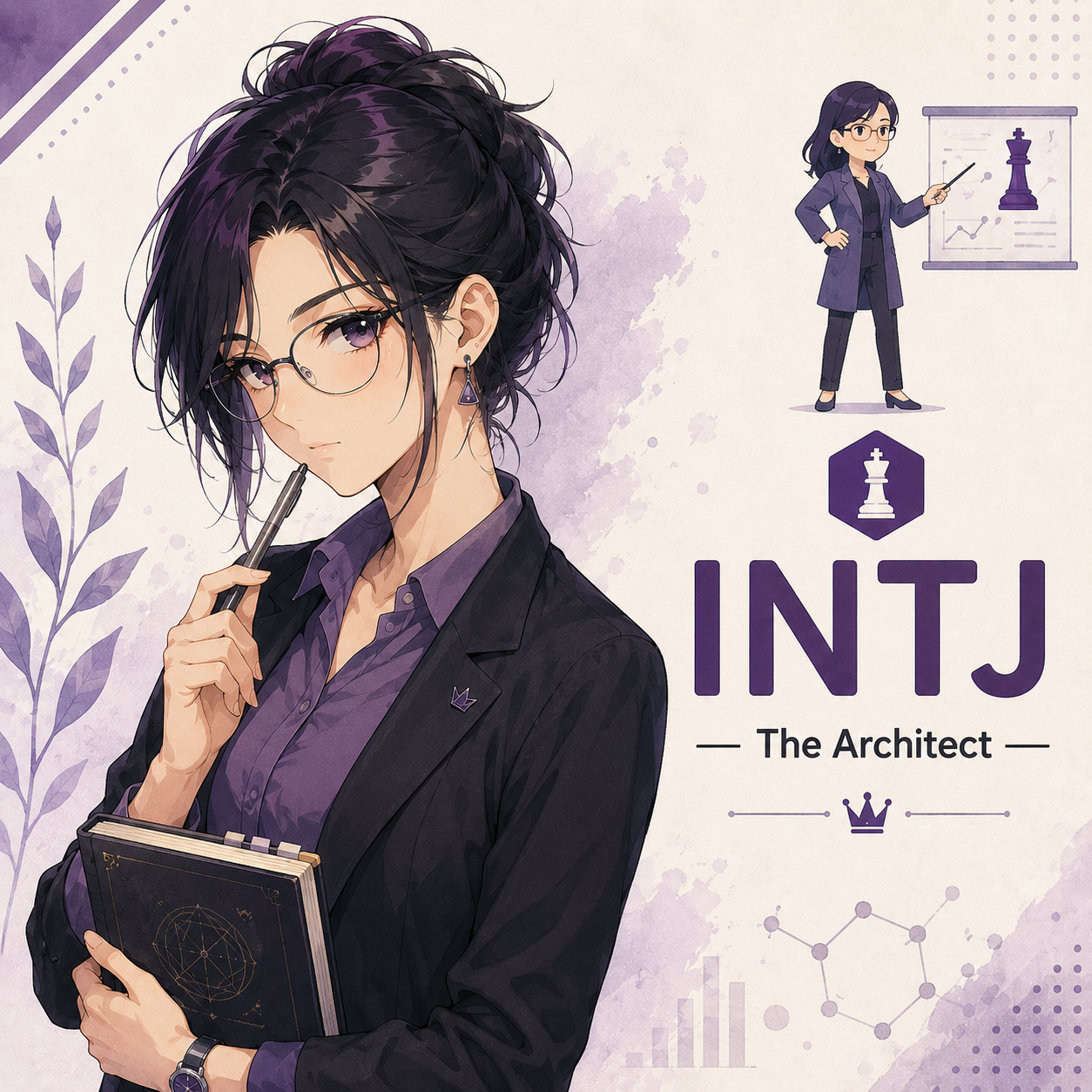
INTJLikes planning and deep thinking, but does not like random decisions or wasting time.

INTPLikes ideas, questions, and logic, but does not like strict rules or shallow answers.

ENTJLikes leading, organizing, and winning, but does not like weakness or unclear goals.

ENTPLikes debating and new ideas, but does not like boring routines or silent rooms.

ISTJLikes order, responsibility, and clear rules, but does not like sudden changes or mess.

ISFJLikes helping, protecting, and calm places, but does not like rude people or pressure.

ESTJLikes structure, action, and getting things done, but does not like laziness or confusion.

ESFJLikes caring for people and social harmony, but does not like being ignored or unappreciated.